Binturong
Arboreal viverrid with popcorn-scented musk and prehensile tail.

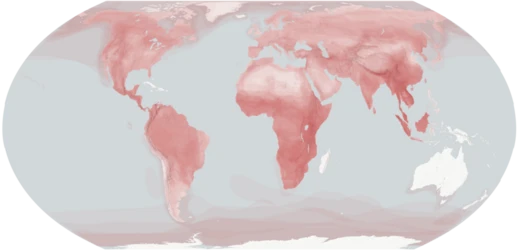
The binturong (Arctictis binturong), also known as the bearcat, is an arboreal viverrid native to South and Southeast Asia. It is the only species in the genus Arctictis, divided into nine subspecies, and is notable for its popcorn-scented musk glands and long, bushy, prehensile tail. It is assessed as Vulnerable on the IUCN Red List due to habitat loss, forest degradation, and illegal hunting and trading.
- scientific_name
- Arctictis binturong
- also_known_as
- bearcat
- field
- arboreal viverrid
- native_to
- South and Southeast Asia
- conservation_status
- Vulnerable
- unique_feature
- popcorn-scented musk glands
Lore & Background
The binturong has a thick coat of coarse black hair, a bushy prehensile tail, and a short, pointed snout. Its body ranges from 71 to 84 cm, with a tail of 66 to 69 cm, and it weighs 9–20 kg. Both sexes have scent glands that emit an odor reminiscent of popcorn or corn chips, due to the volatile compound 2-acetyl-1-pyrroline in the urine. Females are larger than males and dominant in interactions. The binturong is omnivorous, feeding on plants, insects, and smaller animals, with figs being a major component of its diet; it is considered a keystone species for dispersing Ficus seeds.
Reader's Guide
The binturong is significant as the only species in the genus Arctictis and as a keystone species for seed dispersal, particularly of strangler figs. Its unique popcorn-like scent, produced by 2-acetyl-1-pyrroline in its urine, distinguishes it among mammals. The species exhibits delayed implantation, where a fertilized egg does not attach to the uterine walls until external conditions are ideal. Its conservation status as Vulnerable highlights threats from habitat loss, forest degradation, and illegal hunting and trading. The binturong's arboreal lifestyle, prehensile tail, and crepuscular and nocturnal activity patterns underscore its ecological niche in South and Southeast Asian forests.
Did You Know?
- The binturong's urine contains 2-acetyl-1-pyrroline, the same chemical compound created when popcorn pops.
- Females are larger than males and dominant in their interactions.
- The binturong is the only species in the genus Arctictis.
- It is considered a keystone species for dispersing Ficus seeds, especially strangler figs.
Frequently Asked Questions
Who is the binturong?
The binturong, commonly called the bearcat, is a tree-dwelling viverrid found across South and Southeast Asia. It is the sole species in the genus Arctictis and is recognized in nine subspecies.
What are the binturong's most distinctive traits?
Its pair of musk glands produces a scent that closely resembles popcorn, a quirk that has made it famous among wildlife enthusiasts. It also has a long, bushy, prehensile tail that it wraps around branches for balance while foraging in the canopy.
Where does the binturong live and how does it behave?
The species is strictly arboreal, spending virtually all of its time high in the trees of South and Southeast Asian forests. As the only member of its genus, it occupies a unique ecological niche among small carnivorans in the region.
What is the binturong's conservation status?
The IUCN Red List classifies the binturong as Vulnerable, driven by habitat loss, forest degradation, and illegal hunting and wildlife trade. Protecting intact forest corridors across its range is central to current conservation priorities.
Why is the binturong significant among carnivorans?
Being the only species in the genus Arctictis, it represents a distinct evolutionary branch within the viverrid family. Its blend of arboreal habits, a prehensile tail, and the unusual popcorn-scented glands makes it one of the most recognizable small carnivorans in Asia.
More in Carnivorans 1-21
Spotted an error? Know more?
This is a living reference — every entry is fact-audited, and reader corrections feed straight into our audit queue. Suggest an edit · See this site's audit record